
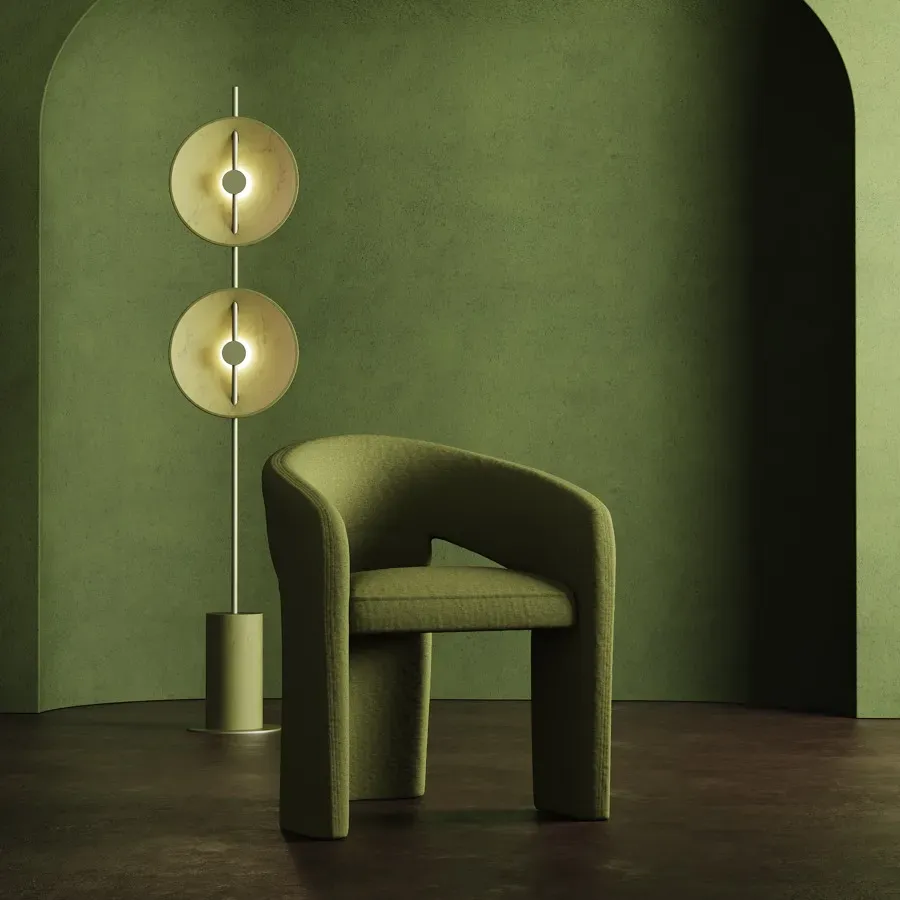
Hybrid working changes what an office is for. If people can do focused work at home, the days they come in are mostly about meeting, collaborating and being findable. The furniture should follow that.
Fewer owned desks, better shared ones
Desk sharing only works if a shared desk is as good as an owned one. That means height adjustment people can actually set, a monitor at the right height, and somewhere to put a bag. A bank of lockers replaces the pedestal under the desk.
Make video calls work anywhere
The most common hybrid complaint is nowhere to take a call. Acoustic booths, high-backed seating and small bookable rooms fix it. Check lighting and background for anywhere people will regularly appear on camera.
More space for meeting, less for storage
As paper storage shrinks, that floor area is better spent on collaboration space: a larger table, a stand-up meeting point, comfortable seating that people will actually choose over a meeting room.
Power everywhere people sit
In a hybrid office people work wherever they land. Power in soft seating, meeting tables and breakout areas stops everyone drifting back to the desks with sockets.
Plan for busy days, not average ones
Most hybrid teams cluster on the same two or three days. Size meeting rooms and breakout space for a busy Tuesday rather than an average of the week, or the space will feel short exactly when it is being used most.
We supply soft seating, booths, tables and lockers for hybrid spaces. Get in touch and tell us how your team splits its week.